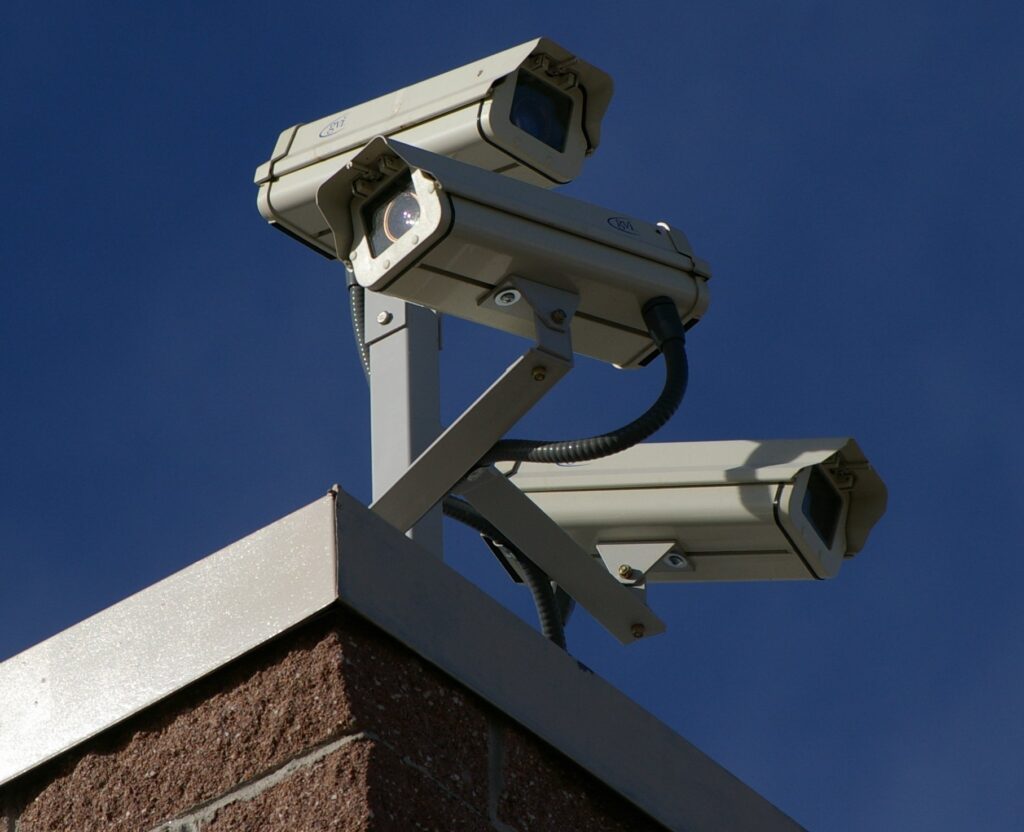
Closed-Circuit Television (CCTV) is a surveillance system that uses cameras to capture and transmit video footage to a limited, specific set of monitors or recorders for security and monitoring purposes. Unlike broadcast television, CCTVs are not openly distributed, allowing for private monitoring of areas to deter crime, enhance safety, and provide evidence.
Key aspects of CCTV systems include:
Functionality: Used for real-time monitoring, recording, and analyzing activities, frequently in public spaces, commercial businesses, and residential homes.
Components: The system consists of cameras (analogue or digital), lenses, image sensors, and recording devices like DVRs (Digital Video Recorders) or NVRs (Network Video Recorders).
Transmission: Cameras are connected to monitors via wired cables or wireless technology, such as Wi-Fi.
Types: While traditional systems were wired (analogue), modern systems often use digital IP technology for better resolution and remote monitoring.
Purpose: CCTV acts primarily as a deterrent against theft, vandalism, and unauthorized access, rather than a direct prevention tool.
Modern CCTV systems have evolved to include advanced features like high-definition (HD) video, motion detection, and facial recognition, ensuring a high level of security surveillance.